



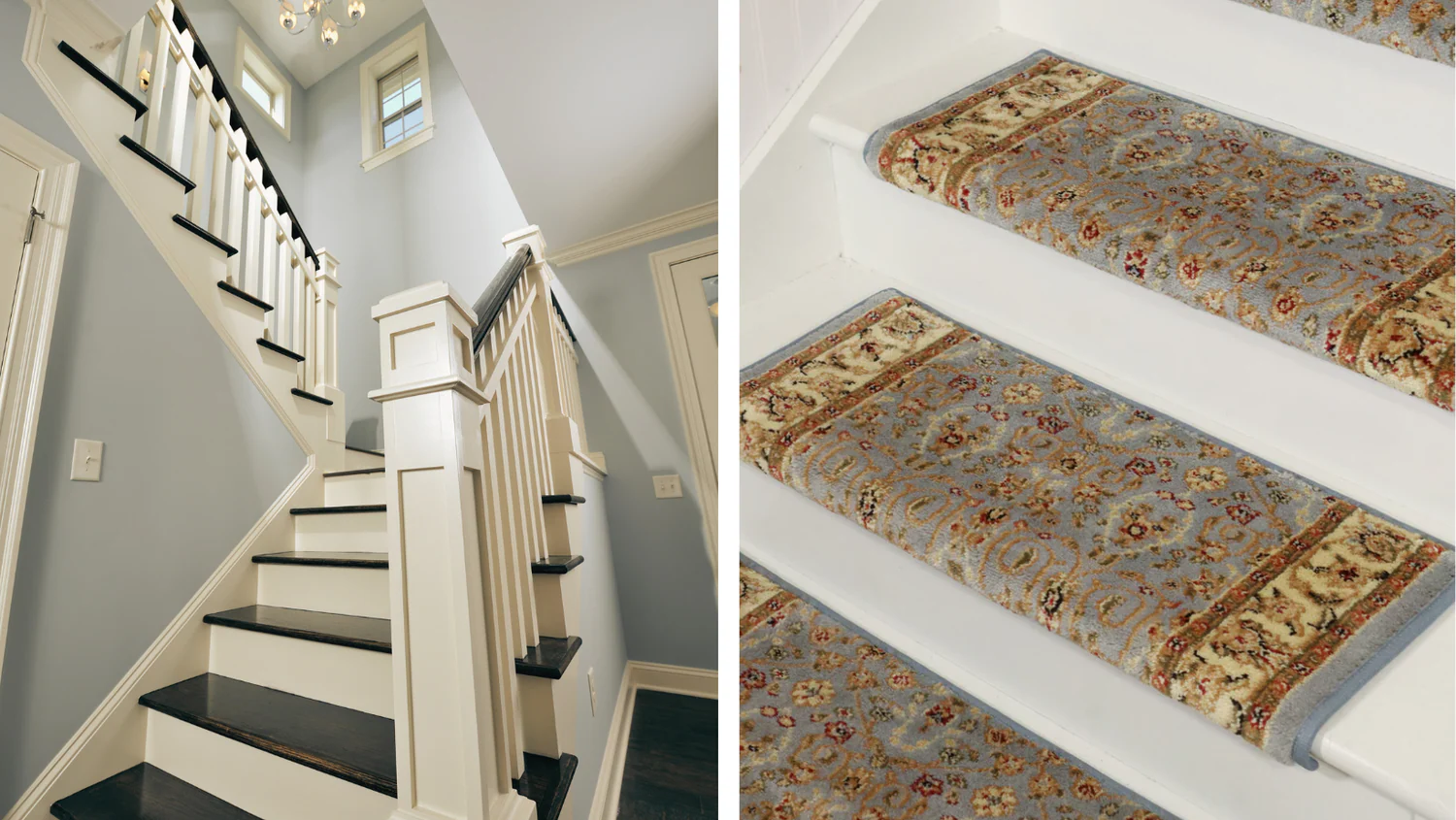
Old carpeted stairs can make an otherwise updated home feel dated. Carpet on stairs also tends to show wear faster than carpet in other rooms because each step handles repeated foot traffic, dust, pet hair, shoes, and daily use. For many homeowners, replacing carpeted stairs with wood is an appealing upgrade, but a full stair rebuild can feel intimidating.
That is where retrofit stair treads can help. Instead of removing the entire existing stair structure, retro treads are designed to install over the current steps. This gives homeowners a practical way to refresh the staircase with less mess than a full replacement project.
What Are Retrofit Stair Treads?
Retrofit stair treads, also called retro replacement treads, are thinner than traditional stair treads and are shaped to cap an existing stair. WoodStairCo explains that retro treads and risers are made specifically to replace carpeted stairs with hardwood in a chosen wood species or color. They are designed to be installed over existing stairs in a stairwell.
The main difference between retro treads and traditional 1-inch treads is the installation method. Retro treads are not meant to be stand-alone stair structures. They are meant to go over an existing tread, while traditional treads are used in new installations or when the old tread is removed.
Why Homeowners Like This Option
A full stair replacement can involve demolition, removal, cutting, finishing, and more disruption inside the home. Retro treads are often more approachable because they allow homeowners to update the visible stair surface without tearing out the existing stairs.
WoodStairCo notes that retro treads and risers can be installed without removing the existing stair or stair riser, which makes them a strong option for DIY remodelers.
This can be especially helpful when the stair structure is still sound, but the surface looks worn, carpeted, or outdated.
Prefinished Treads Can Save Time
One of the biggest challenges with stair remodeling is finishing. Sanding, staining, and coating stairs inside the home can be messy and time-consuming. It can also make the staircase harder to use while the finish dries.
Prefinished retro treads can reduce that disruption. WoodStairCo’s closed retro tread page explains that prefinished retro treads allow homeowners to install solid hardwood on each step without the traditional mess and expense of site-finished stair treads.
For busy households, this can make the project feel more manageable.
Choose the Right Style for Your Staircase
Not all staircases need the same tread style. A closed, or box, tread is used when the staircase has a wall on both sides. If one side is open to the room, a left return or right return tread may be needed.
WoodStairCo describes closed retro treads as the common style for staircases that run wall to wall, with both ends hidden against a wall or stringer. It also directs homeowners to left return or right return styles when one side of the staircase is open.
This matters because choosing the wrong return style can affect the finished look and installation.
Plan Risers at the Same Time
A stair update usually looks better when treads and risers are planned together. Retro risers cover the existing vertical face of the stair. WoodStairCo explains that retro replacement risers are 1/4-inch thick and are designed to install over an existing riser. The company offers risers in prefinished, unfinished, and white options across many wood species.
White risers can create a clean contrast against wood treads, while matching wood risers can create a warmer, continuous look.
Where to Start
For homeowners comparing retrofit stair treads, WoodStairCo offers retro replacement tread options designed for existing stair updates, including different wood species, profiles, and finish choices.
Final Thoughts
Retrofit stair treads can be a practical way to update worn or carpeted stairs without a full rebuild. They work best when the existing stair structure is sound and the goal is to refresh the visible surface.
Visit WoodStairCo today to compare retro replacement stair treads and plan a staircase update that fits your home, budget, and installation needs.