

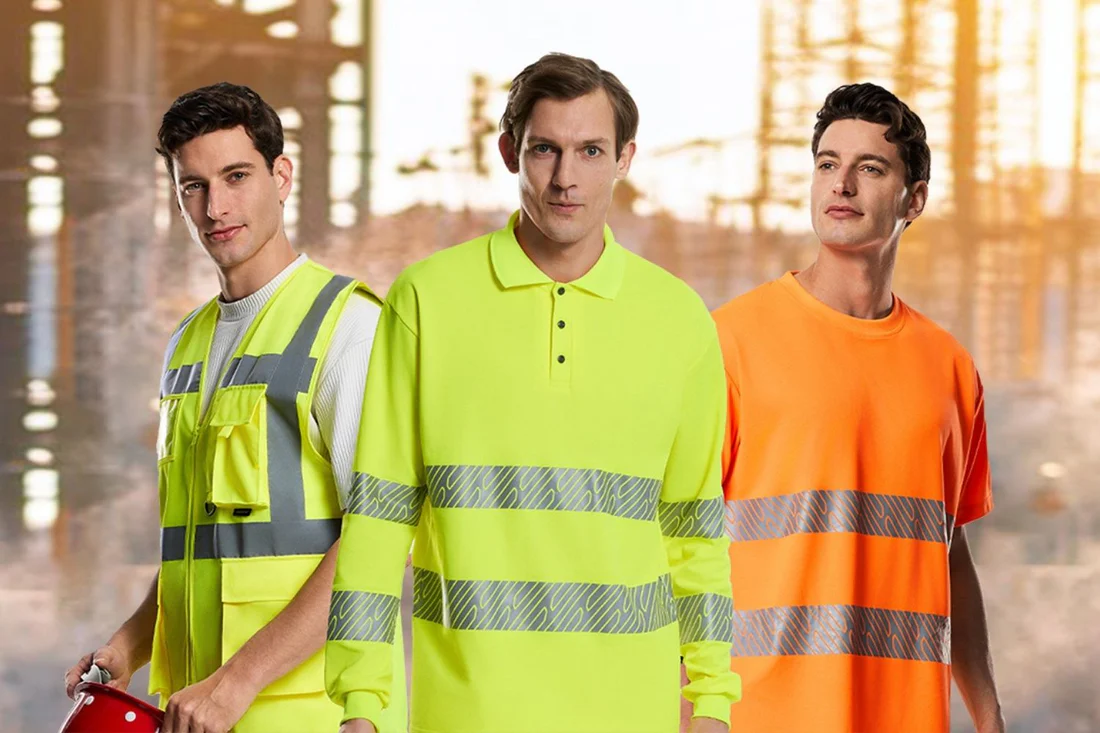
A common assumption among crews and even some safety managers is that mesh fabric alone signals a lower level of protection compared to a solid, heavier weave. When it comes to hi vis shirts, this assumption doesn’t hold up. Fabric construction, whether solid or mesh, has no bearing on ANSI/ISEA 107 compliance by itself. What actually determines a shirt’s certified visibility class is the amount of background and retroreflective material it contains and how that material is arranged, not whether the base fabric is woven solid or ventilated mesh.
This distinction matters considerably for installation crews and warehouse teams choosing between fabric types based on working conditions rather than a mistaken belief that one option offers lesser protection. A mesh Class 2 shirt carrying the correct ANSI/ISEA 107 Type R label, with properly certified background area and retroreflective tape placement, is every bit as compliant as a solid-fabric Class 2 shirt meeting the same requirements. The choice between the two comes down entirely to practical considerations like breathability, weather conditions, and personal comfort, not visibility performance.
For holiday installation crews working physically demanding shifts, often shifting between cold early mornings and exertion-heavy midday labor, mesh construction offers genuine advantages in airflow and temperature regulation without sacrificing any compliance standard. Crews working primarily outdoors in variable weather, or those layering a hi vis shirt over additional clothing during colder shifts, may find a solid fabric option provides more wind resistance and warmth, again without any difference in the underlying visibility rating as long as both meet the same certified class and type.
Warehouse managers stocking inventory for a full season should treat fabric choice as a practical decision tied to how and where a shirt will be worn, rather than defaulting to one type based on outdated assumptions about compliance. Teams working primarily indoors in climate-controlled facility settings may lean toward solid fabric for its slightly more durable, professional appearance across daily wear, while crews spending long hours outdoors during physically intense installation work often benefit more from the ventilation mesh fabric provides.
Regardless of fabric choice, verifying the actual compliance markers on any hi vis shirt remains essential before assuming it meets a required standard. Every properly certified shirt should carry a label clearly identifying its ANSI/ISEA 107 Type and Performance Class, confirming both the intended use environment and the amount of visible and retroreflective material included. A shirt lacking this labeling, regardless of how visually similar it appears to a certified option, should not be assumed compliant, since visual similarity alone does not guarantee the tested performance standards required for genuine workplace protection.
Durability considerations differ somewhat between fabric types as well, particularly across a demanding installation season involving repeated wear and washing. Mesh fabric, while excellent for breathability, can sometimes show wear at ventilation points more readily than a solid weave under heavy daily use, making periodic inspection for damaged mesh or compromised retroreflective tape an important part of any seasonal safety program regardless of which fabric type a crew wears.
Choosing between solid and mesh hi vis shirts ultimately comes down to matching fabric type to the specific working conditions a crew faces, rather than assuming one option offers superior protection. Commercial decorators, professional installers, warehouse managers, and large-scale event venue teams outfitting crews for a demanding season can find both solid and mesh ANSI-compliant options at National Safety Gear, where genuine compliance, not fabric assumptions, guides every recommendation.