



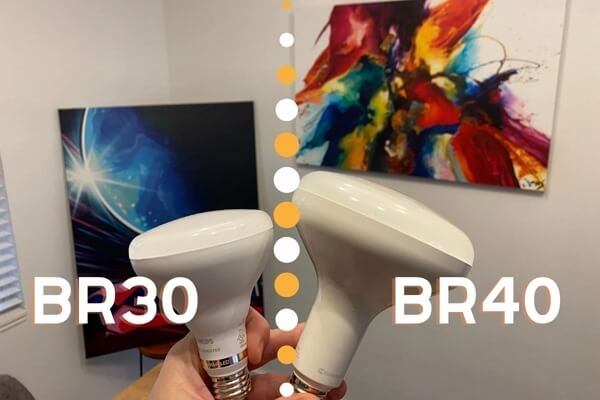
Choosing the right light bulb plays a major role in creating comfortable, functional, and energy-efficient lighting inside a home or commercial space. Among the many lighting options available today, BR30 and BR40 bulbs are two of the most commonly used floodlight-style bulbs for recessed lighting, ceiling fixtures, track lighting, and indoor illumination. While they may look similar at first glance, these bulbs have several important differences that affect brightness, coverage, installation, and overall lighting performance.
Understanding the difference between BR30 and BR40 bulbs helps homeowners select the best option for:
- Living rooms
- Kitchens
- Bedrooms
- Hallways
- Commercial interiors
- Accent lighting
The right bulb size and brightness can improve both aesthetics and functionality while helping reduce energy consumption.
This guide explains the key differences between BR30 and BR40 bulbs, including size, brightness, applications, energy efficiency, and how to choose the right bulb for your lighting needs.
What Are BR Bulbs?
The term “BR” stands for “Bulged Reflector.”
These bulbs are designed with:
- A rounded shape
- Reflective inner coating
- Wide light distribution
BR bulbs are commonly used for:
- Recessed can lighting
- Flood lighting
- General room illumination
Their design helps direct light outward in a broad beam pattern.
Understanding BR30 Bulbs
BR30 bulbs are smaller reflector bulbs commonly used in residential lighting.
The “30” refers to the bulb diameter measured in eighths of an inch.
A BR30 bulb has a diameter of:
30\times\frac{1}{8}=3.75\text{ inches}
BR30 bulbs are often chosen for:
- Smaller recessed fixtures
- Accent lighting
- Bedrooms
- Hallways
- Kitchens
Their compact size works well in standard residential ceiling fixtures.
Understanding BR40 Bulbs
BR40 bulbs are larger reflector bulbs designed for broader and brighter illumination.
The “40” represents a bulb diameter of:
40\times\frac{1}{8}=5\text{ inches}
BR40 bulbs are commonly used for:
- Large recessed fixtures
- Living rooms
- Open spaces
- High ceilings
- Commercial lighting
Their larger size allows for wider light coverage and stronger illumination.
Main Difference Between BR30 and BR40 Bulbs
The biggest difference between BR30 and BR40 bulbs is their:
- Size
- Brightness output
- Beam spread
BR40 bulbs are physically larger and typically produce more light than BR30 bulbs.
BR30 bulbs are more compact and suitable for smaller lighting applications.
Size Comparison
The bulb size affects compatibility with recessed lighting fixtures.
BR30 Size
BR30 bulbs are:
- Smaller
- More compact
- Better suited for tighter spaces
They fit well in:
- 5-inch recessed cans
- Smaller ceiling fixtures
BR40 Size
BR40 bulbs are:
- Larger
- Wider
- Designed for broader coverage
They are commonly used in:
- 6-inch recessed cans
- Large ceiling fixtures
Choosing the wrong bulb size may affect both appearance and lighting performance.
Brightness Differences
BR40 bulbs generally produce higher lumen output than BR30 bulbs.
BR30 Brightness
BR30 bulbs typically provide:
- Moderate room lighting
- Accent illumination
- Softer lighting environments
They are ideal for:
- Bedrooms
- Hallways
- Smaller kitchens
BR40 Brightness
BR40 bulbs usually produce:
- Stronger illumination
- Wider beam coverage
- Brighter ambient lighting
They are commonly used in:
- Living rooms
- Large kitchens
- Commercial spaces
Brightness requirements often determine which bulb works best.
Beam Spread Comparison
Beam spread refers to how widely the light is distributed.
BR30 Beam Spread
BR30 bulbs generally create:
- Narrower light distribution
- More focused illumination
This makes them useful for:
- Accent lighting
- Task lighting
- Smaller rooms
BR40 Beam Spread
BR40 bulbs provide:
- Wider beam angles
- Broader room coverage
They work well for:
- Open floor plans
- Large rooms
- General ambient lighting
Energy Efficiency
Modern BR30 and BR40 bulbs are commonly available in LED versions.
LED technology provides:
- Lower energy consumption
- Longer lifespan
- Reduced heat output
Both bulb types can be highly energy-efficient when using LED technology.
Heat Output Differences
Older incandescent BR bulbs generated significant heat.
LED BR30 and BR40 bulbs produce much less heat, improving:
- Energy efficiency
- Safety
- Comfort
This makes LED versions ideal for long-term residential use.
Common Applications for BR30 Bulbs
BR30 bulbs are frequently used for:
- Bedroom recessed lighting
- Hallways
- Smaller kitchens
- Reading areas
- Accent lighting
Their compact size works well in lower ceilings and smaller spaces.
Common Applications for BR40 Bulbs
BR40 bulbs are commonly installed in:
- Large living rooms
- Open kitchens
- Commercial spaces
- High ceilings
- Large recessed fixtures
Their wider beam spread improves overall room illumination.
Recessed Lighting Compatibility
Choosing the correct bulb for recessed cans is important.
BR30 Compatibility
BR30 bulbs typically fit:
- 5-inch recessed cans
- Some 6-inch fixtures
They provide balanced lighting for residential applications.
BR40 Compatibility
BR40 bulbs are most commonly used in:
- 6-inch recessed cans
Their larger size fills the fixture opening more completely.
Appearance Differences
Because BR40 bulbs are larger, they may appear more prominent in recessed fixtures.
BR30 bulbs provide:
- A more compact appearance
- Less visible bulb exposure
Aesthetic preference sometimes influences bulb selection.
Dimming Compatibility
Many modern LED BR30 and BR40 bulbs support dimmer switches.
Dimmable bulbs help create:
- Adjustable ambiance
- Energy savings
- Flexible lighting control
However, compatibility with specific dimmer systems should always be verified.
How to Choose Between BR30 and BR40 Bulbs
Choosing the right bulb depends on:
- Room size
- Ceiling height
- Fixture size
- Desired brightness
- Lighting purpose
Choose BR30 If You Need:
- Softer lighting
- Smaller fixture compatibility
- Accent or task lighting
- Compact recessed installations
Choose BR40 If You Need:
- Brighter illumination
- Wider light coverage
- Large room lighting
- Higher ceilings
Common Mistakes to Avoid
Some homeowners accidentally choose bulbs based only on appearance.
Common mistakes include:
- Using oversized bulbs in small fixtures
- Choosing insufficient brightness
- Ignoring beam spread needs
Matching the bulb to the fixture and room size improves lighting quality significantly.
Benefits of LED BR Bulbs
LED BR30 and BR40 bulbs offer several advantages:
- Energy efficiency
- Long operating life
- Lower maintenance
- Reduced electricity costs
LED lighting also provides consistent brightness and better environmental efficiency.
Final Thoughts
Understanding the difference between BR30 and BR40 bulbs helps homeowners choose the best lighting solution for their space. While both are reflector-style flood bulbs commonly used in recessed lighting, they differ in size, brightness, beam spread, and ideal applications.
BR30 bulbs work well for smaller spaces and softer illumination, while BR40 bulbs provide broader, brighter lighting for larger rooms and open areas.
By considering fixture size, room dimensions, lighting goals, and energy efficiency, homeowners can select the right bulb type to create comfortable, functional, and visually appealing indoor lighting.