


A recessed medicine cabinet is one of the most practical and stylish upgrades homeowners can add to a bathroom. Unlike surface-mounted cabinets that extend outward from the wall, recessed medicine cabinets are installed inside the wall cavity, creating a cleaner, more streamlined appearance. This built-in design helps save space, reduce visual clutter, and improve bathroom organization.
As modern bathroom design continues moving toward minimalism and functionality, recessed medicine cabinets have become increasingly popular in both small and large bathrooms. However, successful installation requires careful planning, accurate measurements, and attention to structural and electrical considerations.
Many homeowners underestimate the preparation involved in recessed cabinet installation. While the finished result often looks simple and elegant, the installation process itself can be more complex than installing a standard wall-mounted cabinet.
Understanding the most important installation tips helps homeowners avoid costly mistakes and ensures the cabinet functions properly for many years.
This guide explains the key installation tips every homeowner should know before installing a recessed medicine cabinet.
What Is a Recessed Medicine Cabinet?
A recessed medicine cabinet is installed partially or fully inside the wall so the cabinet sits flush with the wall surface.
Most recessed cabinets include:
- Mirrored doors
- Interior shelving
- Hidden storage compartments
Some modern models also feature:
- LED lighting
- Anti-fog mirrors
- Touch controls
- Electrical outlets
- USB charging ports
Because recessed cabinets are integrated into the wall, they create a more custom and modern appearance compared to surface-mounted cabinets.
Why Proper Installation Matters
Correct installation is essential for:
- Structural stability
- Safe operation
- Proper alignment
- Long-term durability
- Moisture protection
Improper installation can lead to:
- Crooked alignment
- Weak wall support
- Cabinet instability
- Electrical issues
- Damage to plumbing or wiring
Careful planning helps homeowners avoid these problems while achieving a clean and professional result.
Measure the Space Carefully
Accurate measurements are one of the most important parts of recessed cabinet installation.
Before purchasing a cabinet, homeowners should measure:
- Vanity width
- Available wall space
- Ceiling height
- Distance from lighting fixtures
- Faucet clearance
The cabinet should fit proportionally within the bathroom while remaining practical for daily use.
A cabinet that is too large may interfere with lighting or plumbing fixtures, while one that is too small may not provide adequate storage.
Check Wall Depth Before Installation
Not all bathroom walls can accommodate recessed cabinets.
Homeowners should first verify whether the wall cavity has enough depth for the cabinet body.
Wall depth may be limited by:
- Plumbing pipes
- Electrical wiring
- Structural framing
- HVAC components
Standard wall framing typically provides enough space for many recessed cabinets, but every bathroom layout is different.
Checking wall depth early helps prevent installation complications later.
Locate Wall Studs Properly
Wall studs play a critical role in recessed cabinet installation.
Many cabinets are designed to fit between standard wall studs, but stud spacing can vary depending on construction.
Using a stud finder helps homeowners identify:
- Stud locations
- Wall framing layout
- Safe installation areas
Avoid cutting structural studs unless approved by a qualified contractor.
Damaging load-bearing framing can create serious structural problems.
Watch for Plumbing and Electrical Lines
Bathrooms often contain hidden plumbing and electrical systems behind walls.
Before cutting into drywall, homeowners should confirm that no:
- Water pipes
- Drain lines
- Electrical wiring
- Ventilation ducts
are located inside the installation area.
Accidentally cutting into plumbing or wiring can cause:
- Water damage
- Electrical hazards
- Expensive repairs
Professional contractors often use inspection tools to identify hidden obstacles before installation begins.
Choose the Right Cabinet Size
Selecting the correct cabinet size improves both appearance and functionality.
Homeowners should consider:
- Storage needs
- Wall space
- Bathroom layout
- Vanity dimensions
Larger bathrooms may accommodate wide multi-door cabinets, while smaller bathrooms often work better with compact designs.
Choosing the right size helps maintain balanced bathroom proportions.
Plan Electrical Requirements for Lighted Cabinets
Many recessed medicine cabinets now include:
- LED lighting
- Anti-fog systems
- Built-in outlets
- USB charging ports
These features require electrical connections.
Homeowners should determine:
- Power source location
- Wiring access
- Switch placement
Electrical work should typically be handled by a licensed professional to ensure safety and code compliance.
Use Moisture-Resistant Materials
Bathrooms experience constant humidity and moisture exposure.
When installing recessed cabinets, homeowners should use moisture-resistant materials whenever possible.
This may include:
- Moisture-resistant drywall
- Waterproof sealants
- Corrosion-resistant hardware
Protecting the wall cavity from moisture helps improve long-term durability and prevent mold or water damage.
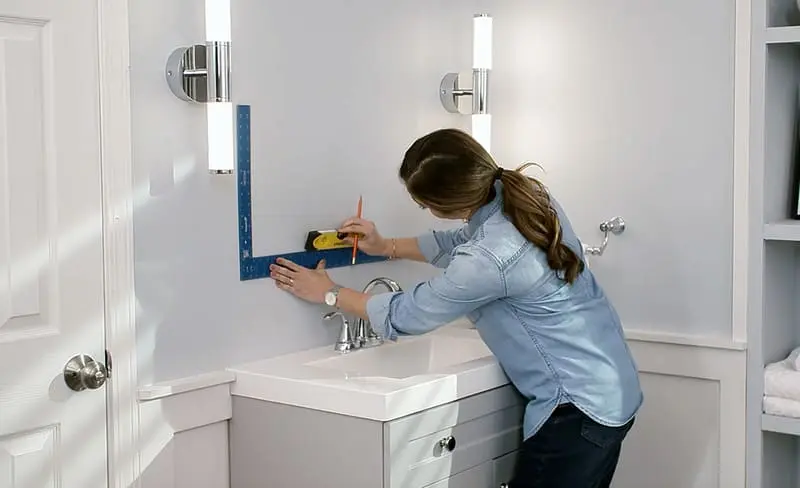
Ensure Proper Cabinet Alignment
Proper alignment is critical for both appearance and usability.
An uneven cabinet can create:
- Crooked mirror reflections
- Poor door operation
- Visible installation flaws
Using a level during installation helps ensure:
- Straight mounting
- Even spacing
- Smooth door alignment
Careful alignment contributes significantly to the finished appearance.
Secure the Cabinet Properly
Recessed medicine cabinets must be securely attached to wall framing or mounting supports.
Loose installation can result in:
- Cabinet movement
- Door misalignment
- Structural instability
Manufacturers typically provide mounting instructions and recommended fasteners.
Following these instructions carefully improves safety and durability.
Seal Around the Cabinet
Proper sealing helps protect the wall cavity from moisture infiltration.
Bathrooms produce steam and humidity daily, making moisture protection essential.
Applying sealant around the cabinet edges helps prevent:
- Water penetration
- Wall damage
- Mold growth
This is especially important in bathrooms with showers located near the vanity area.
Consider Professional Installation
Although some homeowners attempt DIY installation, recessed medicine cabinets can involve complex work.
Professional installers understand:
- Wall framing
- Electrical safety
- Structural requirements
- Moisture protection
- Proper alignment techniques
Professional installation helps reduce risks and ensures the cabinet performs correctly long-term.
This is especially important for:
- Large cabinets
- Lighted cabinets
- Custom installations
- Bathrooms with limited wall space
Understand Building Codes and Permits
Some installations involving electrical modifications may require permits or inspections.
Local building codes may affect:
- Electrical wiring
- Structural modifications
- Bathroom safety requirements
Professional contractors are often familiar with local regulations and can help ensure compliance.
Ignoring code requirements can lead to future issues during home inspections or renovations.
Benefits of Recessed Cabinet Installation
When installed properly, recessed medicine cabinets provide many advantages.
These cabinets help:
- Save space
- Improve bathroom organization
- Reduce visual clutter
- Create a modern appearance
- Increase storage efficiency
The flush installation design also helps bathrooms feel larger and more open.
Common Installation Mistakes to Avoid
Homeowners should avoid common installation mistakes such as:
- Incorrect measurements
- Ignoring wall depth
- Damaging plumbing or wiring
- Improper alignment
- Weak mounting support
- Poor moisture sealing
Careful preparation greatly reduces installation problems.
Why Recessed Cabinets Are Worth the Effort
Although recessed installation may require more planning than surface-mounted cabinets, many homeowners find the results well worth the effort.
The built-in appearance creates a cleaner, more customized bathroom design while improving storage and functionality.
A properly installed recessed medicine cabinet can enhance both everyday convenience and long-term home value.
Final Thoughts
A recessed medicine cabinet is an excellent addition to modern bathrooms because it combines hidden storage, space efficiency, and sleek design. However, successful installation requires careful planning, accurate measurements, and attention to structural and electrical considerations.
By understanding important installation tips such as checking wall depth, locating studs, protecting against moisture, and ensuring proper alignment, homeowners can avoid common mistakes and achieve professional-looking results.
Whether upgrading a small guest bathroom or renovating a luxury master suite, a well-installed recessed medicine cabinet can significantly improve both bathroom functionality and overall design.