




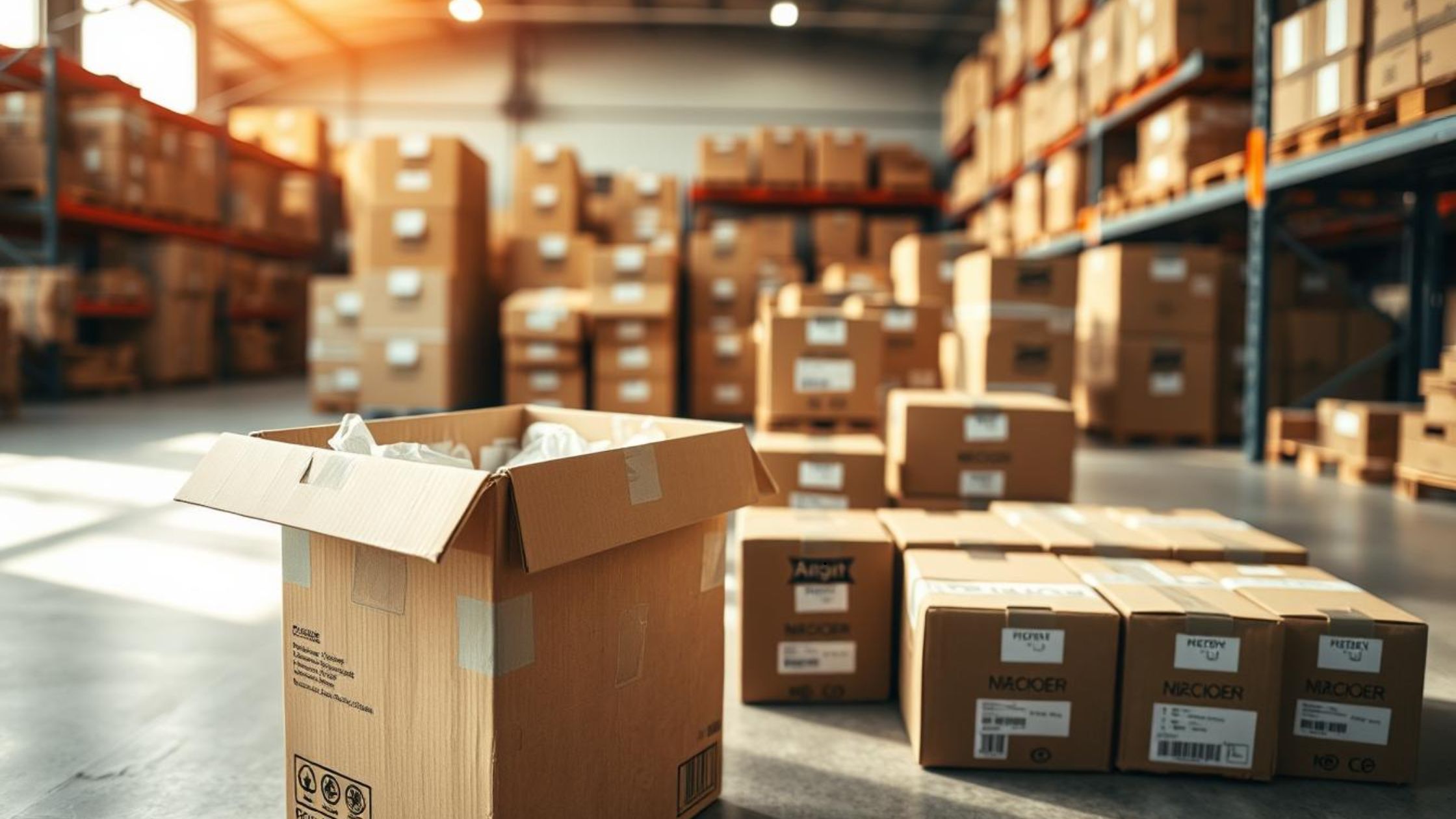
Choosing the right shipping box is one of the most important steps in protecting products during transportation. Whether shipping e-commerce orders, moving household items, or sending commercial goods, the quality and size of the shipping box directly affect product safety, shipping costs, and customer satisfaction. Using the wrong box can result in damaged products, wasted packaging materials, and unnecessary shipping expenses.
Shipping boxes are designed to provide structure, protection, and stability during storage and transit. However, not all boxes are suitable for every shipment. Different products require different levels of strength, cushioning, and durability depending on factors such as weight, fragility, shipping distance, and handling conditions.
From small retail packages to large industrial shipments, selecting the proper shipping box helps ensure products arrive safely and efficiently.
This guide explains how to choose the right shipping box for every shipment while improving protection, organization, and cost efficiency.
Why the Right Shipping Box Matters
Shipping boxes do more than simply hold products.
A properly selected box helps:
- Protect products from damage
- Prevent crushing
- Reduce movement during transit
- Improve stacking strength
- Lower shipping risks
An incorrect box can lead to:
- Broken products
- Higher return rates
- Increased shipping costs
- Poor customer experience
Choosing the right packaging is essential for both businesses and individuals shipping valuable items.
Understand the Product Being Shipped
Before selecting a shipping box, it is important to evaluate the product itself.
Consider factors such as:
- Product size
- Weight
- Fragility
- Shape
- Shipping distance
Delicate or heavy items often require stronger corrugated boxes and additional cushioning materials.
Understanding the product helps determine the appropriate box strength and dimensions.
Choose the Correct Box Size
One of the most common packaging mistakes is using boxes that are either too large or too small.
Problems with Oversized Boxes
Boxes that are too large allow products to move excessively during transit.
This can lead to:
- Impact damage
- Product shifting
- Crushed packaging
- Increased void fill usage
Oversized boxes also increase dimensional shipping costs.
Problems with Undersized Boxes
Boxes that are too small may place pressure on products and reduce cushioning space.
This can cause:
- Compression damage
- Bulging box walls
- Weak structural support
The ideal shipping box should fit the product securely while leaving room for protective cushioning materials.
Understanding Corrugated Shipping Boxes
Most shipping boxes are made from corrugated cardboard.
Corrugated boxes contain:
- An outer liner
- A fluted middle layer
- An inner liner
The fluted structure adds:
- Strength
- Durability
- Cushioning
- Compression resistance
Corrugated boxes are widely used because they provide excellent protection while remaining lightweight.
Single-Wall vs. Double-Wall Boxes
Different shipments require different box strengths.
Single-Wall Boxes
Single-wall corrugated boxes contain one fluted layer and are suitable for:
- Lightweight products
- Standard retail shipments
- Everyday packaging
They are cost-effective and commonly used for e-commerce orders.
Double-Wall Boxes
Double-wall boxes contain two fluted layers for added strength.
They are ideal for:
- Heavy items
- Fragile products
- Long-distance shipping
- Industrial packaging
Double-wall boxes provide better protection against crushing and impact.
Consider Product Weight
Shipping box strength should match the product’s weight.
Heavy products require:
- Stronger corrugated material
- Reinforced construction
- Proper tape sealing
Weak boxes may collapse or tear during transportation.
Choosing a box rated for the shipment’s weight improves safety significantly.
Use Proper Cushioning Materials
Even strong shipping boxes need internal cushioning to protect products.
Popular cushioning materials include:
- Bubble roll
- Packing paper
- Foam inserts
- Air pillows
- Corrugated inserts
These materials help:
- Absorb shock
- Reduce movement
- Prevent scratches
The right combination of box and cushioning improves overall package protection.
Match the Box to the Product Type
Different products often require specialized packaging solutions.
Electronics
Electronics require:
- Strong corrugated boxes
- Anti-static protection
- Cushioning materials
Glassware and Fragile Items
Fragile products benefit from:
- Double-wall boxes
- Bubble cushioning
- Tight product stabilization
Books and Printed Materials
Books require compact boxes that prevent shifting and reduce corner damage.
Clothing and Soft Goods
Lightweight apparel may use:
- Small corrugated boxes
- Mailer boxes
- Lightweight packaging solutions
Consider Shipping Distance
Long-distance shipments often experience more handling stages and transportation stress.
Products traveling internationally or across long distances may require:
- Stronger boxes
- Additional cushioning
- Reinforced sealing
Local shipments may not require the same level of heavy-duty protection.
Understand Box Strength Ratings
Shipping boxes often include strength ratings that indicate durability.
Common measurements include:
- Edge Crush Test (ECT)
- Bursting strength ratings
Higher ratings indicate stronger boxes capable of handling heavier loads and stacking pressure.
Understanding these ratings helps businesses choose appropriate packaging.
Avoid Reusing Weak Boxes
Reused boxes may already have:
- Structural weakness
- Moisture damage
- Crushed corners
- Compromised integrity
Weak boxes increase the risk of shipping damage.
For fragile or valuable shipments, new corrugated boxes usually provide better protection.
Importance of Proper Box Sealing
Even strong boxes can fail if sealed incorrectly.
High-quality packing tape should be used to:
- Reinforce seams
- Secure flaps
- Prevent box opening during transit
The H-taping method is commonly recommended for improved box security.
Choosing Boxes for E-Commerce Shipping
Online businesses depend heavily on shipping boxes for customer satisfaction.
Proper packaging helps:
- Reduce product damage
- Improve brand reputation
- Lower return rates
- Enhance customer experience
Well-packaged shipments also create a more professional presentation when customers receive orders.
Eco-Friendly Shipping Box Options
Many businesses now prioritize sustainable packaging.
Eco-friendly options include:
- Recycled corrugated boxes
- Recyclable materials
- Right-sized packaging
- Minimal excess packaging
Sustainable packaging helps reduce environmental impact while maintaining shipping protection.
Storage and Warehouse Considerations
Shipping boxes also affect warehouse organization and storage efficiency.
Consistent box sizing improves:
- Stacking
- Inventory organization
- Space utilization
Strong boxes help prevent warehouse crushing and product damage during storage.
Common Shipping Box Mistakes to Avoid
Packaging mistakes can lead to costly shipping problems.
Common issues include:
- Using oversized boxes
- Choosing weak corrugated material
- Insufficient cushioning
- Poor tape sealing
- Overloading boxes
Careful packaging decisions improve shipping performance significantly.
Why Businesses Invest in Quality Shipping Boxes
High-quality shipping boxes help businesses:
- Protect products
- Reduce damage claims
- Lower replacement costs
- Improve customer satisfaction
Reliable packaging contributes directly to better operational efficiency and stronger brand reputation.
Final Thoughts
Choosing the right shipping box is essential for protecting products during transportation while controlling costs and improving customer satisfaction. From box size and strength to cushioning materials and sealing methods, every packaging decision affects shipment safety.
Whether shipping fragile electronics, retail products, household items, or industrial goods, selecting the appropriate corrugated shipping box helps reduce damage and improve delivery reliability.
By understanding product needs, shipping conditions, and packaging strength, businesses and individuals can confidently choose shipping boxes that provide safe, secure, and efficient transportation for every shipment.