



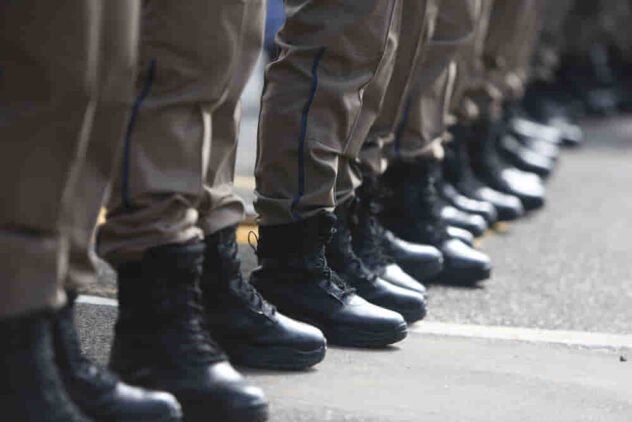
Police work places heavy demands on the feet. Officers may spend hours standing, walking, entering and exiting vehicles, moving through buildings, responding to calls, or working in changing weather. Because of that, footwear is not just a uniform item. It affects comfort, movement, safety, and focus throughout the shift.
The right police boots should support long hours without feeling overly heavy. They should provide traction on different surfaces, enough ankle support for quick movement, and a professional appearance that fits duty requirements.
Start With Comfort for Long Hours
Comfort should be one of the first things officers consider. A boot that feels stiff, heavy, or poorly fitted can become distracting during a long shift. Over time, poor footwear may contribute to sore feet, tired legs, knee discomfort, or lower back strain.
Look for cushioning, padded collars, supportive midsoles, breathable linings, and a proper fit through the heel and toe box. BootsPlusMore’s tactical boot collection notes that many duty-focused boots include padded collars and tongues for ankle support, rubber outsoles with multi-surface tread, and lightweight construction under 24 ounces per boot.
A lighter boot can be useful for officers who walk frequently or move quickly during the day.
Traction Matters on Patrol
Police officers rarely move across one surface all day. A shift may include pavement, tile, wet sidewalks, grass, stairs, gravel, or parking lots. That makes outsole grip important.
A good patrol boot should offer dependable traction without feeling clunky. Rubber outsoles with multi-surface tread are helpful because they support movement across different environments.
Some tactical boots are also built with slip-resistant outsoles. BootsPlusMore’s Bates Raide tactical boot listing describes a slip-resistant rubber tread, cushioned midsole, and running-shoe-like build for easier movement.
Consider Side-Zip Access
Side-zip police boots can be useful for officers who want faster on-and-off access. Once the boot is laced to the right fit, the zipper can make daily wear more convenient.
Lace-up boots may still appeal to officers who prefer a more adjustable fit each time. The better choice depends on comfort, uniform rules, and personal preference.
For patrol work, the boot should stay secure during movement. Whether you choose side-zip or lace-up, the heel should not slip, and the ankle should feel supported.
Match Features to Your Work Conditions
Not every officer needs the same boot. A city patrol officer may prioritize lightweight comfort and polishable leather. A rural officer may need more aggressive tread and waterproofing. A security professional may prefer a low-profile tactical shoe. An academy recruit may need footwear that meets training requirements.
Some duty environments may also call for safety toe protection, waterproof membranes, or electrical hazard ratings. BootsPlusMore’s tactical collection includes select models with waterproof DryGuard membranes, safety toe protection rated to ASTM F2413, and electrical hazard ratings.
Where to Compare Options
For buyers searching for police boots, BootsPlusMore gives officers and duty professionals a place to compare tactical and patrol footwear options based on comfort, support, traction, and work conditions.
Final Thoughts
The best police boots are the ones that fit your shift. Focus on comfort, traction, support, boot weight, and duty-specific features before choosing.
Visit BootsPlusMore today to compare police boot options and find footwear built for long patrol days, steady footing, and daily duty wear.
