

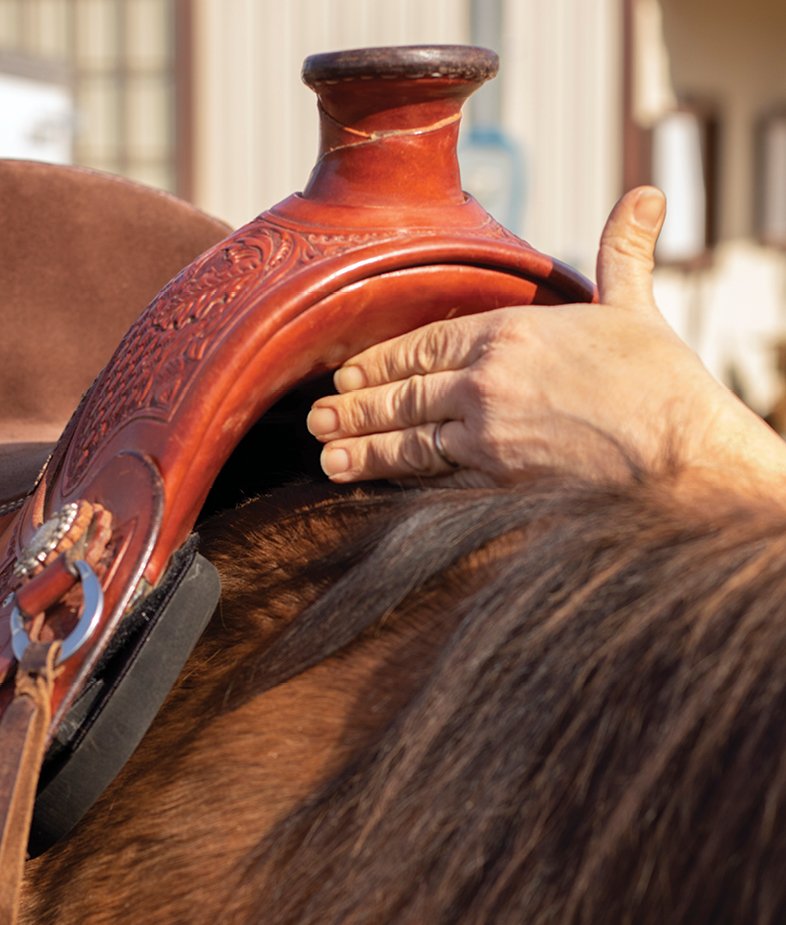
Buying a saddle is not only about choosing something that looks good. A saddle affects your balance, your horse’s comfort, and the way both of you move together. When the fit is right, riding feels more natural. When the fit is wrong, even a well-made saddle can create discomfort, resistance, and frustration.
That is why choosing a new western saddle should start with function. Before looking at tooling, color, silver, or price, riders should think about how they ride, how often they ride, and what their horse needs.
Start With the Type of Riding You Do
Western saddles are not all built for the same purpose. A trail rider may need comfort for long hours. A roper needs strength and stability. A barrel racer needs a saddle that supports quick turns and secure positioning. A ranch rider may need a saddle that handles daily work, long rides, and practical tasks.
If you ride in more than one setting, an all-around saddle may be a good choice. If your riding is more specific, such as roping, reining, ranch cutting, or barrel racing, a discipline-specific saddle may serve you better.
Saddle Up Colorado’s new saddle categories include all-around, barrel, cowhorse, draft, endurance, gaited, mule, ranch, ranch cutter, reiner, roper, synthetic, trail, Wade, youth, and custom saddles. That range helps riders compare options based on how they actually ride.
Put Horse Fit First
A beautiful saddle is not a good purchase if it does not fit your horse. Poor saddle fit can create pressure points, restricted shoulder movement, back soreness, and behavior issues under saddle.
When comparing saddles, look at the tree size, bar angle, gullet width, skirt length, and overall shape. A horse with broad shoulders may need a different fit than a narrow, high-withered horse. A short-backed horse may need a shorter skirt to avoid pressure over the loin area.
It also helps to look beyond one measurement. Two saddles with the same seat size may fit very differently on the horse because of tree shape, bar flare, and skirt design.
Choose the Right Seat Size for the Rider
Rider fit matters too. A saddle should give you enough room to sit comfortably without sliding around. If the seat is too small, you may feel cramped or pushed forward. If it is too large, you may lose security and balance.
Your leg position should feel natural. The fenders should allow your legs to hang comfortably, and the stirrups should support the way you ride. A rider who spends hours on trails may want a different feel than someone competing in speed events.
A good saddle should help you stay centered without forcing your body into an uncomfortable position.
Look at Build Quality
When buying new, review the details that affect long-term use. Pay attention to leather quality, stitching, rigging, tree construction, horn style, fender movement, and hardware. These details influence comfort, strength, and durability.
Synthetic saddles may also be worth considering for some riders. They are often lighter and easier to maintain, especially for trail riders or riders who want a lower-maintenance option. Saddle Up Colorado carries synthetic saddle options along with leather western saddles.
The best choice depends on your riding needs, budget, and care preferences.
Buy From a Saddle Shop That Can Help With Fit
A saddle is a major purchase, so it helps to buy from a place that understands both horses and riders. Saddle Up Colorado is a family-owned shop in Gilcrest, Colorado, and its site notes that the store carries over 250 new and used saddles along with tack.
If you are comparing options for a new western saddle, Saddle Up Colorado gives riders a helpful place to browse by riding type, brand, seat size, and saddle category.
Final Thoughts
The right western saddle should match your horse, your body, and your riding style. Start with purpose, then review fit, comfort, construction, and support. Do not choose by appearance alone.
To compare new saddle options and find a better match for your riding needs, visit Saddle Up Colorado and browse their current new saddle selection today.